EN
EN

News
What are the changes in capacity and voltage of lithium battery pairing combinations?
1. Lithium batteries connected in series: When the voltages are added, the capacity remains unchanged, but the internal resistance increases. The following example uses a 3.7V 2Ah ternary lithium battery.
For example, the voltage change of a simple series-connected ternary lithium battery: a 3.7V single cell can be assembled into a battery pack with a voltage of 3.7*(N)V as needed (N: number of single cells)
For example: 7.4V 2Ah (2 lithium batteries in series)
11.1V 2Ah (3 lithium batteries in series)
22.2V 2Ah (6 lithium batteries in series)
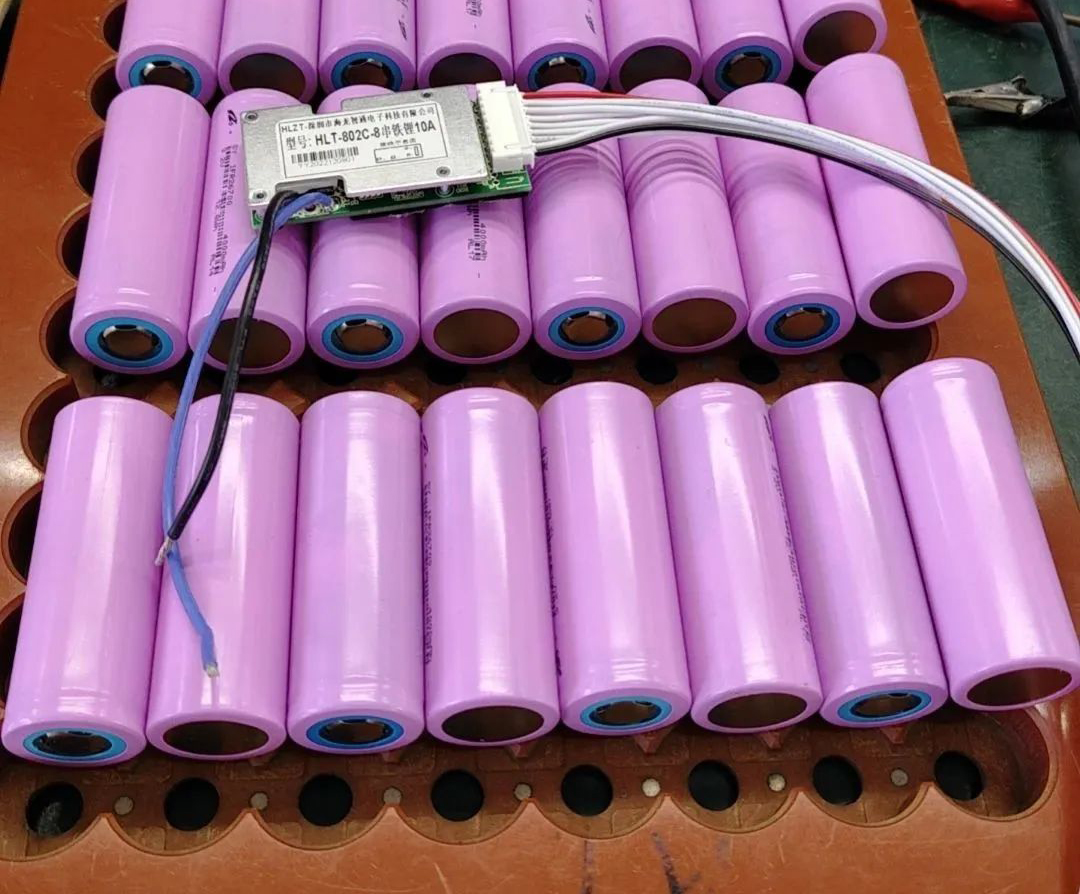
2. When lithium batteries are connected in parallel, the voltage remains constant, the capacities are added, and the internal resistance decreases. The following example uses a 3.7V 2Ah ternary lithium battery.
For example, the capacity change of a simple parallel ternary lithium battery: a 2Ah single battery can be assembled into a battery pack with a capacity of 2*(N)Ah (N: number of single batteries)
For example: 3.7V 4Ah (2 lithium batteries in parallel)
3.7V 6Ah (3 lithium batteries in parallel)
3.7V 8Ah (4 lithium batteries in parallel)
3.7V 10Ah (5 lithium batteries in parallel)
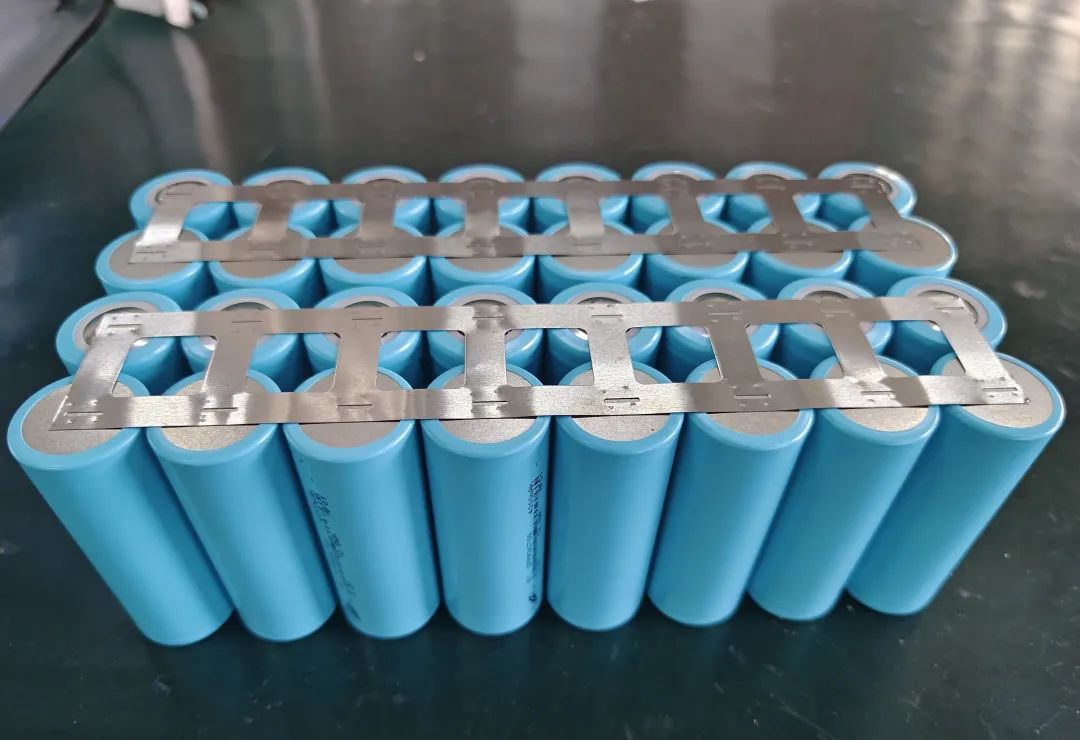
3. Lithium battery series and parallel connection: The battery pack has both parallel and series connections, which increases the voltage and capacity. The change pattern is voltage 3.7*N, capacity 2*N. (N: number of batteries)
For example: 7.4V 4Ah (2 series and 2 parallel, a total of 4 lithium batteries)
7.4V 6Ah (2 series and 3 parallel, a total of 6 lithium batteries)
11.1V 8Ah (3 series and 4 parallel, a total of 12 lithium batteries)
22.2V 10Ah (6 series and 5 parallel, totaling 30 lithium batteries), etc.
The above paired lithium batteries must ensure that the capacity, voltage, internal resistance and performance of each battery in the battery pack are consistent before they can be combined. Inconsistency will cause the various parameters of the lithium battery pack to become increasingly different during use, resulting in voltage imbalance. Over time, it will cause overcharging, over-discharging, and capacity failure, causing the risk of explosion and fire.