EN
EN
News
Why Lithium-Ion Batteries Dominate Consumer Electronics, EVs, and Energy Storage?
lithium-ion batteries (secondary batteries) have experienced rapid development from scratch in just over thirty years, evolving into a vast and diverse lithium battery industry that is widely used, high-performing, environmentally friendly, and closely related to our production and daily lives. This has created a trillion-dollar market and a lithium battery new energy industry with extremely broad development prospects.
Lithium-ion batteries have a wide range of applications, which can be summarized into the following main categories: consumer electronics (digital lithium-ion batteries) , new energy vehicles (power lithium-ion batteries ) , and energy storage power stations (energy storage lithium-ion batteries) . These three application areas account for the majority of lithium-ion battery applications. Below, we will introduce them according to different application scenarios.
I. Digital Lithium-ion Batteries
Currently, the application of lithium-ion batteries in consumer electronics is relatively mature, and related products are updated and replaced quickly, so the requirements for lithium battery life are not particularly high. The main research and development focus for digital lithium-ion batteries is on improving specific energy, specific power, and safety to extend the battery life of electronic products and improve charging speed and safety performance. To this end, scientists are researching the use of graphite-doped silicon to obtain higher battery specific energy, while adding highly conductive and ion-conducting materials to electrode materials and using ceramic separators to improve battery charging speed and safety performance.
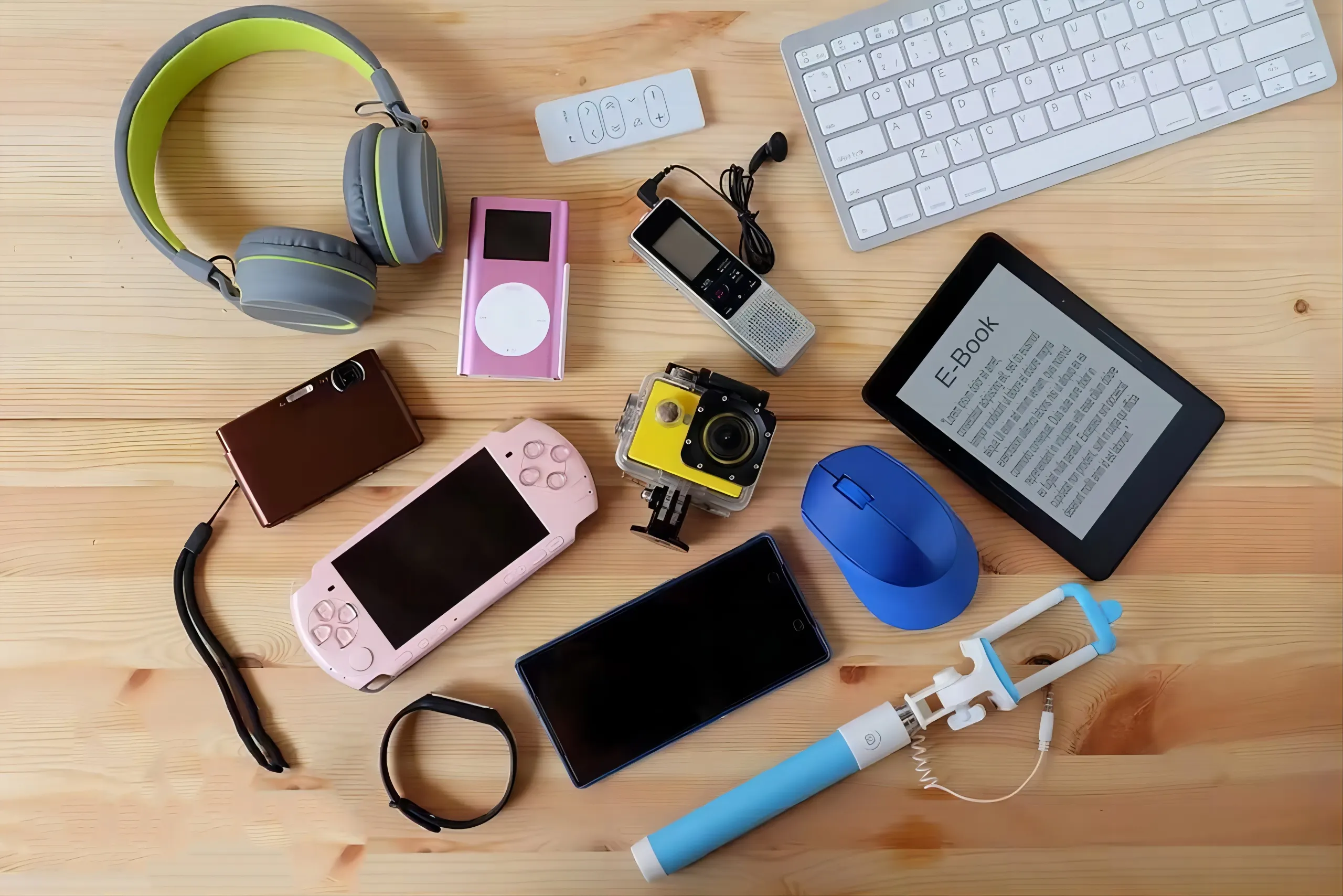
Common applications of digital lithium-ion batteries include: laptops, smartphones, smartwatches, smart bracelets, tablets, drones, Bluetooth headsets, Bluetooth speakers, power banks, action cameras, e-cigarettes, adult products, etc.
II. Power Lithium-ion Batteries
With the increasingly complete lithium-ion battery industry chain in my country and intensified industry competition, my country's power lithium-ion batteries currently possess a significant cost advantage. In the field of new energy vehicles, the manufacturing and operating costs of lithium-ion batteries are now competitive with internal combustion engine power systems. In terms of operating costs, based on a consumption of 20 kilowatt-hours (kWh) per 100 kilometers, battery charging costs only about 20 yuan, while based on gasoline prices, the fuel cost per 100 kilometers may exceed 50 yuan. In 2024, the monthly sales share of new energy vehicles in my country surpassed that of gasoline vehicles for the first time, marking new energy vehicles as the mainstream in the market and a significant milestone in the transformation and upgrading of the global automotive industry.
Applications of power lithium-ion batteries include: new energy electric vehicles, new energy electric ships, electric airplanes, electric buses, intelligent robots, intelligent robot dogs, intelligent logistics vehicles ( AGVs), electric forklifts, electric two-wheelers, electric tricycles, electric golf carts, electric sightseeing vehicles, etc.
III. Energy Storage Lithium-ion Batteries
The blueprint for a new energy system centered on lithium-ion batteries continues to expand, holding limitless possibilities. With the advancement of the "dual carbon" goals, my country's energy structure is continuously transforming towards a green and low-carbon model. By the end of 2024, my country's cumulative installed capacity of new energy storage exceeded 70 GWh (gigawatt-hours), approximately 20 times that at the end of the 13th Five-Year Plan period. This energy storage revolution is not only a technological competition but also a strategic layout for my country's national energy security.
Application scenarios for energy storage lithium-ion batteries include: generation-side energy storage – photovoltaic energy storage power stations, wind energy storage power stations, AGC frequency regulation power stations, etc.; grid-side energy storage – substation energy storage, virtual power plants, peak shaving/frequency regulation energy storage power stations, etc.; user-side energy storage – photovoltaic energy storage charging stations, home energy storage power stations, backup power supplies, portable energy storage power supplies, etc.
IV. Other Application Scenarios of Lithium-ion Batteries
Military applications: power supply for field operations, individual soldier power supplies, power supply for exploration equipment, power supply for cold-weather clothing and footwear, power supply for high-energy weapons, etc.
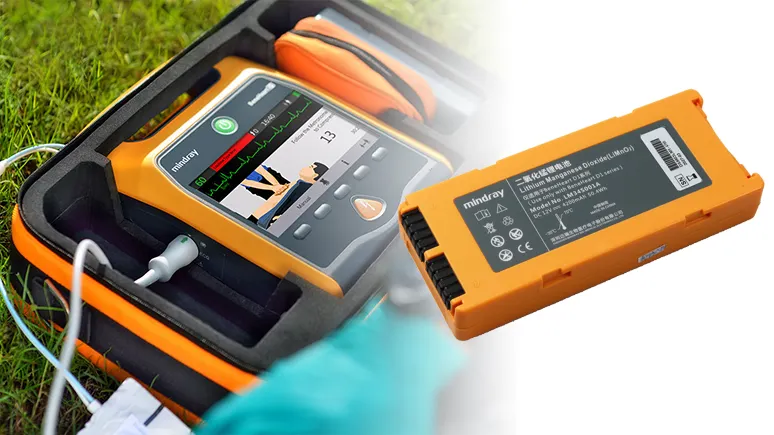
Medical field : Portable ultrasound, portable blood pressure monitor, wearable pulse oximeter, handheld monitor, wearable single-lead electrocardiogram, etc.
Lithium, the core raw material of lithium-ion batteries, has long been known as " white petroleum " and is an indispensable metallic element for the development of new energy vehicles and novel chemical energy storage. Its importance is comparable to that of petroleum in the electrical age. Industry analysts believe that just as petroleum ushered in the fossil fuel era, lithium-ion batteries will lead a new energy revolution.