EN
EN
News
Mitsubishi i-MiEV Battery Upgrade Guide: LEV50 Replacement with 93Ah Lithium Cells
A Practical Guide to Replacing LEV50 Cells with High-Capacity Lithium Solutions
As electric vehicles age, one of the most common challenges owners face is battery degradation. For early EV models like the Mitsubishi i-MiEV, this issue is especially noticeable—reduced range, slower charging, and declining performance.
For businesses and technicians working in the replacement battery market, this creates a growing opportunity:
👉 providing reliable, high-performance battery upgrade solutions.
In this article, we’ll break down how upgrading from original LEV50 cells to modern lithium cells (such as 93Ah class) can significantly improve EV performance—and what really matters in a successful battery replacement project.
🚗 Why i-MiEV Batteries Need Replacement
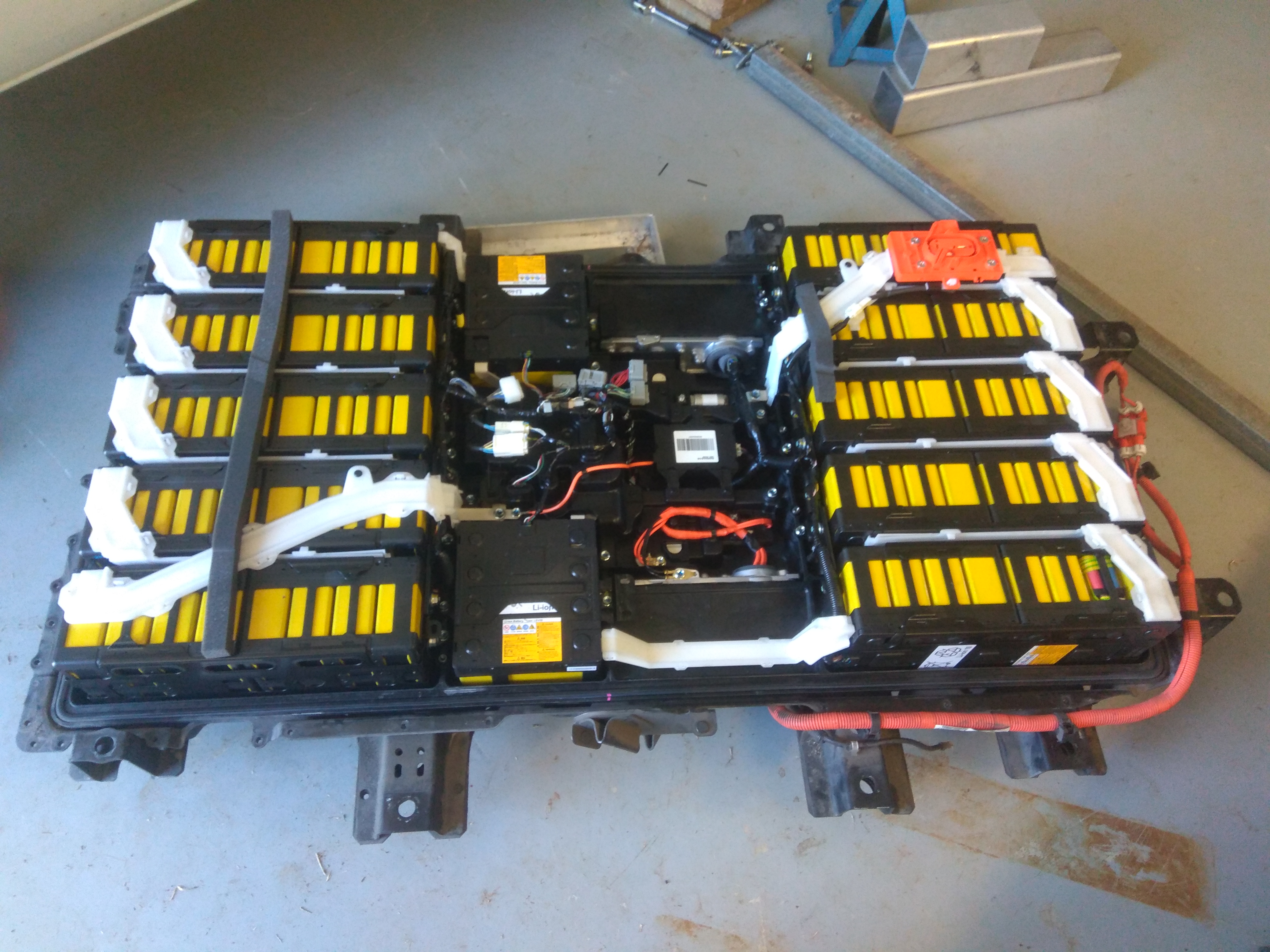
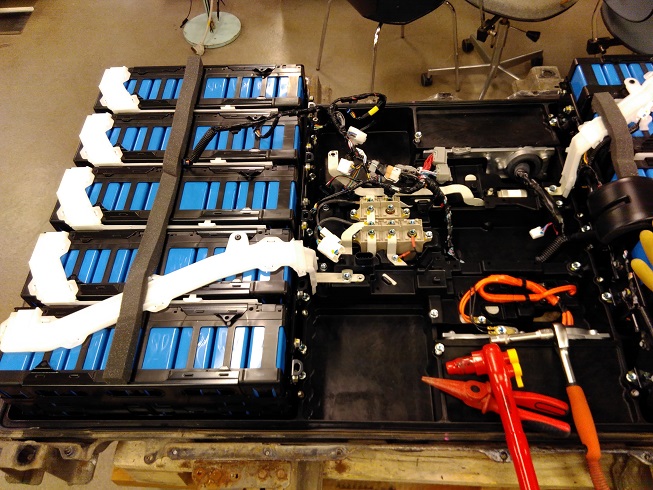
The original i-MiEV battery pack is built using 88 × LEV50 lithium-ion cells, each with:
- Nominal voltage: 3.7V
- Capacity: ~50Ah
- Total pack energy: ~16 kWh
Over time, battery health (SOH) drops. Once it reaches ~80% or below, users typically experience:
- ❌ Shorter driving range
- ❌ Reduced acceleration performance
- ❌ Longer charging time
This is not a defect—it’s the natural lifecycle of lithium-ion batteries.
🔄 Upgrade Path: From 50Ah to 93Ah Cells
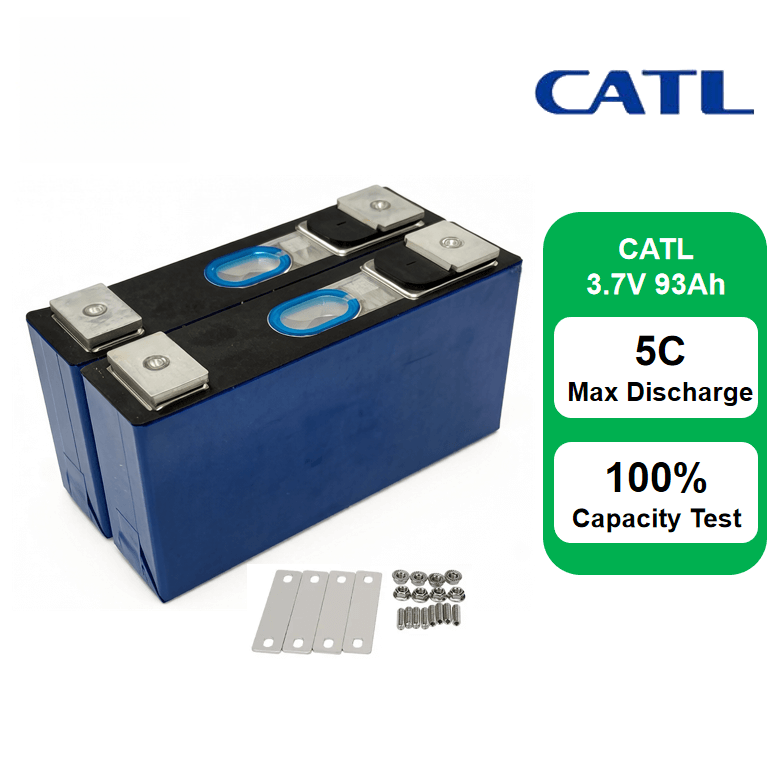

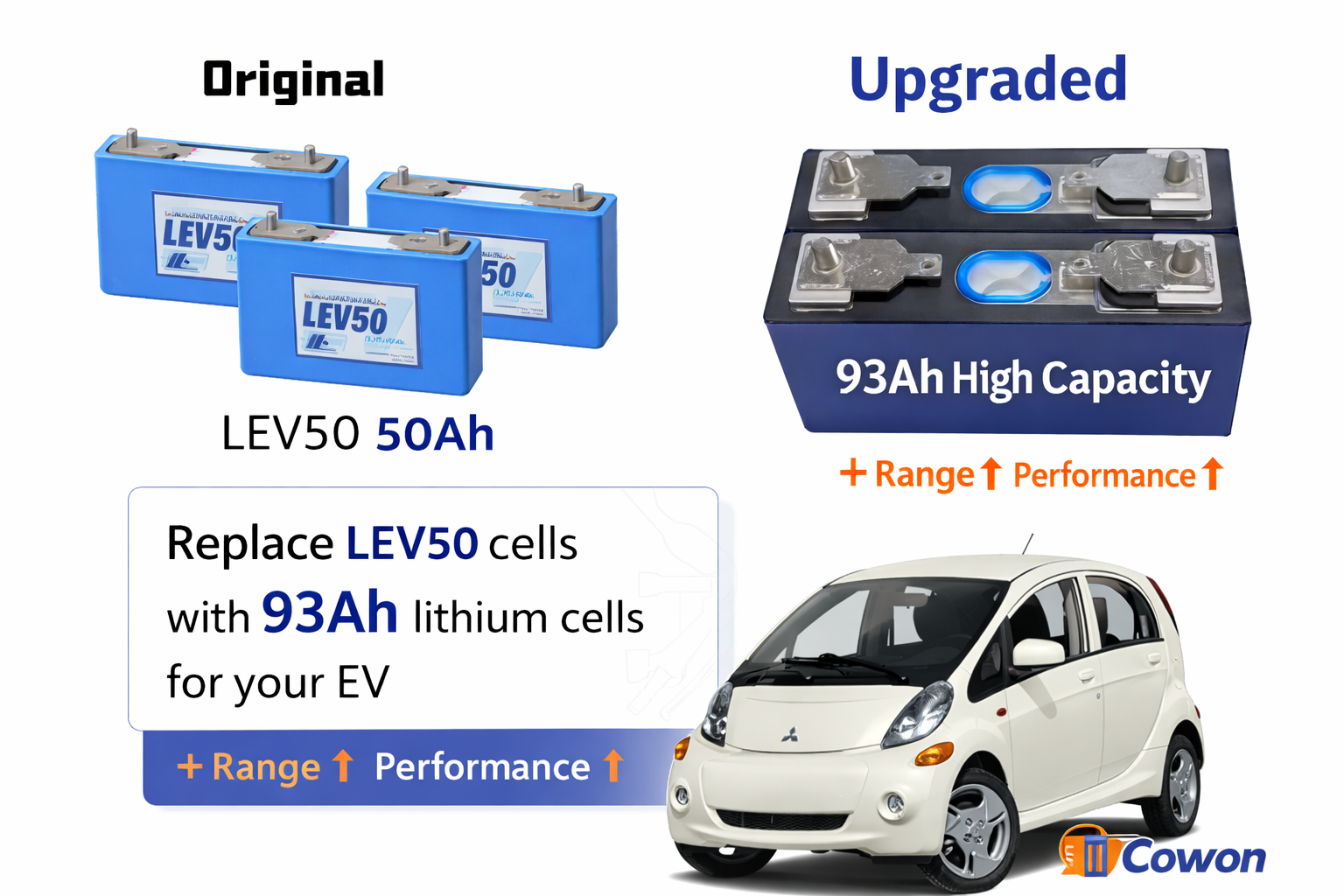
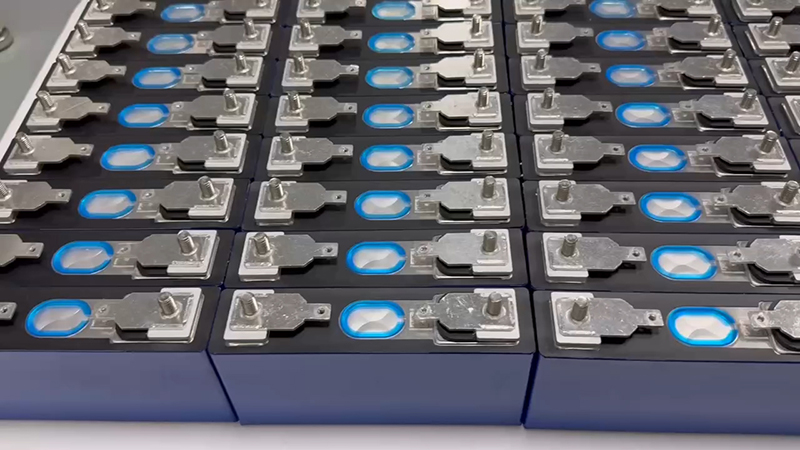
One of the most widely adopted upgrade approaches today is replacing LEV50 cells with higher-capacity prismatic lithium cells (e.g., 93Ah class).
Key Differences
| Parameter | LEV50 (Original) | 93Ah Lithium Cell |
|---|---|---|
| Capacity | ~50Ah | ~93Ah |
| Energy Density | Lower | Higher |
| Pack Energy | ~16 kWh | Up to ~30–34 kWh |
| Range | Limited | Nearly doubled |
👉 In real-world upgrades, total battery capacity can increase up to 2×, dramatically extending driving range.
⚠️ Replacement Battery Is NOT Just “Swap Cells”
This is where many suppliers (especially low-end ones) get it wrong.
A successful EV battery replacement depends on system-level integration, not just cell specs.
1️⃣ BMS Compatibility (Critical)
The battery must communicate correctly with the vehicle:
- CAN protocol matching
- SOC accuracy calibration
- Regenerative braking compatibility
Poor BMS integration can lead to:
- ❌ Wrong battery percentage
- ❌ Disabled regen braking
- ❌ System errors
2️⃣ Mechanical Fit & Structure
Even if dimensions look similar, differences matter:
- Mounting holes
- Terminal structure
- Module height adjustment
For example, newer cells may require structural adaptation (e.g., spacers or brackets) to match original design
3️⃣ Thermal Management
The i-MiEV uses air cooling, which means:
- Airflow alignment must remain unchanged
- Temperature sensors must be calibrated
A mismatch can cause:
- 🔥 Uneven temperature distribution
- ⚠️ Faster degradation
- ⚠️ Safety risks
4️⃣ Cell Consistency & Authenticity
The market reality:
👉 Not all “93Ah cells” are real or consistent.
Industry data shows a significant portion of cells in circulation are:
- Re-labeled
- Mixed batches
- Non-A grade
Result:
- Rapid capacity loss
- Short lifespan
- Warranty disputes
💡 What This Means for Replacement Battery Suppliers
For companies like Cowon, this type of project highlights a key positioning:
👉 You are not just selling batteries
👉 You are delivering system-level replacement solutions
This applies not only to EV upgrades, but also to your core markets:
- POS terminal replacement batteries
- Medical device batteries
- Industrial backup battery packs
The common logic:
| Field | Requirement |
|---|---|
| EV Battery | BMS + thermal + structure |
| Medical Battery | Certification + safety + communication |
| POS Battery | Compatibility + reliability |
👉 Different products, same core capability:
“Reliable Replacement Battery Engineering”
🔧 Typical Upgrade Workflow (Recommended)
For professional projects, the process usually includes:
- Battery diagnostic (SOH / voltage / imbalance)
- Cell selection & matching
- BMS configuration
- Mechanical design adaptation
- Assembly & testing
- Vehicle integration verification
🚀 Conclusion
Upgrading an EV battery—especially for legacy models like the i-MiEV—is not just about increasing capacity.
It’s about delivering a balanced, safe, and fully compatible system.
High-capacity cells (such as 93Ah lithium cells) offer huge potential:
- Longer driving range
- Better performance
- Extended battery lifespan
But the real value comes from:
✅ Correct integration
✅ Reliable engineering
✅ Professional replacement battery expertise
🏭 About Cowon
At Cowon, we specialize in:
- Replacement battery solutions
- Custom lithium battery packs
- BMS-integrated battery systems
We focus on one thing:
👉 Making replacement batteries safer, smarter, and more reliable
👉 Looking for a reliable EV battery replacement solution?
Contact Cowon today to get a customized upgrade plan for your Mitsubishi i-MiEV or other EV models.