EN
EN
חדשות
מדריך מלא לסוללות ליתיום-יון: יישומי כוח, צרכנים ואחסון אנרגיה
ניתן לחלק סוללות ליתיום-יון לסוללות ליתיום קטנות לצרכנים (3C), סוללות ליתיום לכוח, וסוללות אחסון אנרגיה גדולות, בהתאם ליישומים המותנים שלהן.
I. סוללת כוח
סוללות כוח הן סוללות שמספקות חשמל להתקני כוח, וכרגע מהוות תחום יישום המתפתח במהירות עבור סוללות ליתיום-יון. הן בשימוש נרחב ברכב חשמלי, כלים חשמליים, אופניים חשמליים ועוד. סוללות כוח הן גם סוג של סוללות לאחסון אנרגיה, בעיקר בשימוש ברכבים חשמליים. בשל מגבלות הגודל והמשקל של רכב, וכן דרישות האצה, יש לסוללות כוח דרישות ביצועים גבוהות יותר מאשר לסוללות אחסון אנרגיה רגילות. הדרישות כוללות צפיפות אנרגיה גבוהה יותר, מהירויות טעינה מהירות יותר וזרמי פריקה גדולים יותר, בעוד שבסוללות אחסון אנרגיה רגילות אין דרישות קפדניות כאלה.
1. תכונות המוצר:
לסוללות ליתיום-יון מסוג ספק, נדרשות שיקולים נוספים בנוגע למהירות הטעינה, טווח הנהיגה, אמינות ועקביות, בהתחשב בדרישות ארוכות הטווח (לפחות 5–10 שנים). צפיפות אנרגיה: חבילת הסוללות מהווית כ־25% ממשקל הרכב, ושינויים במשקל הסוללה משפיעים ישירות על צריכה של האנרגיה. עבור אותה כמות של טעינה, חבילת סוללות עם צפיפות אנרגיה גבוהה יותר תביא לטווח נהיגה ארוך יותר. מהירות טעינה: מהירות הטעינה היא גם כן מדד חשוב לסוללות ספק הנוכחיות. יצרני סוללות עיקריים מעצבים כיום קצבים של טעינה בין 4C ל־6C, או אפילו גבוה יותר, כדי לצמצם את זמן ההמתנה של המשתמש. בטיחות ועקביות: חבילות סוללות לרכב ספק משתמשות במספר גדול של סוללות המחוברות בטור ובמקביל. באידיאל, הסבירות להתקל בכשל בסוללת ספק (בטיחות, אחסון, מחזור חיים וכו') צריכה להיות פחות ממקרה אחד במאה מיליון. אם הסבירות הזו נשארת נמוכה באופן עקבי, הסוללה עלולה להיטען או להתפרק יתר על המידה במהלך השימוש, מה שעלול להוביל לבעיות בטיחות.
2. סוג אלקטרוד חיובי:
כרגע, הסוגים העיקריים של סוללות כוח בשוק כוללים סוללות ליתיום טרינרי, סוללות LiFePO4 וסוללות LiMn2O4. מבחינת תאימות כללית של סוללות כוח, סוללות ליתיום טרינרי וסוללות LiFePO4 מהוות את הרוב המכריע בשוק. כמובן, חומר קתודה נוסף שראוי להצטט בתחום סוללות הכוח הוא NCA (ניקל-קובלט-אלומיניום) (8:1.5:0.5), שיש לו צפיפות אנרגיה גבוהה מאוד לתא בודד, אך גם מחסום כניסה גבוה ביותר.
II. סוללות לצרכן
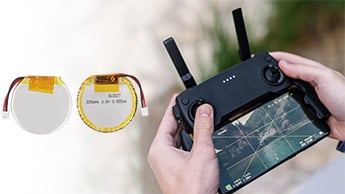
סוללות לצרכנים מהווים תחום יישום חשוב נוסף לסוללות ליתיום-יון. סוללות ליתיום-יון לצרכנים משמשות בעיקר במוצרים אלקטרוניים לצרכן כגון טלפונים ניידים, מחשבים ניידים, מצלמות דיגיטליות, מצלמות וידאו דיגיטליות, בנקים חשמליים, וצעצועים חשמליים – כך נקראים "מוצרי 3C" – לבלוקים ומודולים של סוללות ליתיום. הן מתחלקות בעיקר לסוללות צילינדריות, פריזמתיות ובסוגר פולימר. לסוללות הליתיום הצלינדריות קוטר גדול יותר, מה שמגביל את עובי מוצרי הצרכן הסופיים; לסוללות הליתיום הפריזמטיות יש עיצוב מראה יחסית קבוע, וקשה להפוך אותן לדקות. לכן, שני סוגי הסוללות הליתיום הללו אינן יכולות לעמוד בדרישות של חלק ממוצרי האלקטרוניקה לצרכן לסלולות דקות, קלות, בגודל משתנה. סוללות ליתיום בסוגר פולימר משתמשות בקרום אלומיניום-פלסטיק כקליפה, מה שהופך אותן לקלות, בטוחות, ונותן אפשרויות עיצוב גמישות יותר וצפיפות אנרגיה גבוהה יותר, מה שהופך אותן למתאימות יותר לדרישות של מוצרי אלקטרוניקה לצרכן לסלולות דקות, קלות, בגודל משתנה ובטוחות. לכן, סוללות ליתיום בסוגר פולימר הן כיום הסוג הנפוץ ביותר של סוללות ליתיום לצרכנים. תעשיית סוללות לצרכן בגרה, והביקוש הכולל הוא יחסית יציב.
1. תכונות המוצר:
סוללות ליתיום-יון לצרכנים מאופיינות בתנאי שימוש פחות קפדניים ולא דורשות אמינות לטווח ארוך. הן משמשות בדרך כלל באופן עצמאי ואינן צריכות להיות מזווגות לסוללות אחרות, ולכן דרישות ההתאמה אינן גבוהות במיוחד. עם זאת, בשל המגבלה במרחב והערך הגבוה של מוצרים צרכניים כמו טלפונים ניידים וטאבלטים, יש דרישות חמורות מאוד לגודל, קיבולת וצפיפות אנרגיה של סוללות הליתיום-יון לצרכנים. סוללות צרכניות מתקדמות משתמשות בטכנולוגיות וחומרים המתקדמים ביותר, בעוד שסוללות כוח דורשות שליטה מתקדמת יותר בתהליך, שליטה בהתאמה ובניהול איכות. דרישות מחזור החיים של מוצרים צרכניים אינן ארוכות כמו אלו של סוללות כוח ואחסון אנרגיה. למשל, לאחר שימוש בן 2-3 שנים, אנו מבחינים שהקיבולת של סוללת הטלפון ירדה ל-80%, בעיקר בגלל שמרבית הסמרטפונים נטענים פעם או פעמיים ביום. זה אומר שהקיבולת של הסמרטפון יורדת מתחת ל-80% בתוך פחות מ-3 שנים, בשלב הזה יש להחליף את הסוללה או את הטלפון.
2. סוג אלקטרוד חיובי:
ליתיום קובלט חמצן (LCO) עדיין דומיננטי בשוק סוללות הצרכנים. אף ש-NCM טרנרי (Non-Lithium Cobalt Oxide) מציע קיבולת סגולה גבוהה, קשה לו להחליף את ה-LCO בגלל ייצור גזים בווולטאז' גבוה. אף על פי שחומרי הקתודה של LCO סובלים מחסרונות כמו עלות גבוהה (בגלל הקובלט המahיר), ביצועי מחזור לקויים ובטיחות לקויה, הצפיפות הגבוהה שלהם והמתח ההפעלה הגבוה עדיין מעניקים להם יתרון במוצרים אלקטרוניים אולטרא-דקים. הביקוש נשאר יציב בסמארטפונים, מחשבים ניידים וטאבלטים בדרגה בינונית ומעל. יתר על כן, עליית הקיבולת של הסוללות בטלפונים עם טכנולוגיית 5G והופעת אלקטרוניקה צרכנית חדשה כמו רחפנים, אוזניות TWS וסיגריות אלקטרוניות, מותחים את הביקוש בשוק לחומרי הקתודה של LCO. ל-LCO יש את הצפיפות הכי גבוהה, מה שמוביל לצפיפות אנרגטית נפחיתית גבוהה ביותר בתוך הנפח המוגבל של מכשירי הצרכנים. צפיפות מעולה, צפיפות אנרגטית נפחיתית, ביצועים מחזוריים ויכולת פעולה בטמפרטורות גבוהות/נמוכות, יחד עם היכולת להגביר עוד יותר את הצפיפות האנרגטית של LCO על ידי הגברת מתח החיטוך בעת הטעינה, הופכים את חומרי ה-LCO עם מתח גבוה וקוטר מצומצם לכיוון העתידי.
III. סוללות איחסון אנרגיה
סוללות איחסון אנרגיה מתייחסות לסוללות שמאחסנות אנרגיה חשמלית, תוך המרתה לאנרגיה כימית. כיום, שוק סוללות האיחסון כולל שני תחומי יישום עיקריים: איחסון אנרגיה לצורכי חשמל ואיחסון אנרגיה ביתי. סוללות איחסון חשמל הן למעשה טכנולוגיית איחסון אנרגיה חשמלית, הטכנולוגיה לאחסון אנרגיה חשמלית. תרחישי יישום כוללים איחסון באמצעות הידרו-סילוק, איחסון סוללות, איחסון מכני, ואיחסון באמצעות אויר דחוס, שניתן ליישם בתחומים תעשייתיים שונים. סוללות איחסון אנרגיה ביתיות מיועדות בדרך כלל לשימוש בחוץ; לדוגמה, במהלך הפסקות חשמל בבית או בעת שטיפה, יש צורך בסוללת איחסון אנרגיה בעלת קיבולת גבוהה וחיים ארוכים לשימוש במקרי חירום.
1. תכונות המוצר:
לסוללות ליתיום יוניות לאחסון אנרגיה יש דרישות גבוהות יותר לאורך חיים. אורך החיים של כלי רכב חשמליים הוא בדרך כלל 5-8 שנים, בעוד שפרויקטים לאחסון אנרגיה מ aplyים על אורך חיים של יותר מ-10 שנים. אורך החיים המחזורי של סוללות ליתיום ליישומי תחבורה הוא 1000-2000 מחזורי טעינה/פריקה, בעוד שסוללות איחסון אנרגיה דורשות בדרך כלל אורך חיים מחזורי של יותר מ-5000 מחזורים. הסיבה לכך היא שסוללות איחסון אנרגיה אינן מנחות דגש על צפיפות אנרגטית נפחית או על צפיפות אנרגטית לפי מסה, אלא מדגישות בטיחות ועלות. מנקודת מבט של תכונות חומר פנימיות, לפוספט הליתיום-ברזל (LFP) יש יציבות תרמית טובה יותר ועלות חומר נמוכה בהשוואה לסוללות ליתיום תלת-מרכיביות, ואורך החיים המחזורי שלו כבר הגיע לכמעט 10,000 מחזורים, ולכן השימוש בו בשוק העולמי לאחסון אנרגיה הופך להיות נפוץ יותר ויותר.
2. סוג אלקטרוד חיובי:
קיימות הבדלים מסוימים בין סוללות ליתיום-מטען לכוח לבין סוללות אגירת אנרגיה ממוקדות, אך מנקודת מבט של התא עצמו, נראה כי ניתן להשתמש בשני סוגי סוללות: סוללות פוספט ברזל-ליתיום (LFP) וסוללות ליתיום תלת-מרכיבי. עם זאת, ביישומי אגירת אנרגיה, נעשה שימוש כמעט בלעדי בסוללות LFP. הסיבה לכך היא התקריות הבטחוניות הרבות בתחנות אגירת האנרגיה. לסוללות לishiון ייעודיות לא נדרשת צפיפות אנרגיה גבוהה, אלא בטיחות גבוהה, מאחר שמערכות אגירת אנרגיה אלקטרוכימיות מכילות מאות ועד עשרות אלפי סוללות. לאחר פריצת שריפה והסתעפותה, המצב הופך לקשה מאוד לטיפול. ב-29 ביוני 2022 פירסמה רשות האנרגיה הלאומית טיוטת חוות דעת בנושא "עשרים וחמש דרישות עיקריות למניעת תאונות ביצור חשמל", שבה נקבע כי תחנות כוח גדול של אגירת אנרגיה אלקטרוכימית לא ישתמשו בסוללות ליתיום תלת-מרכיבי או בסוללות נתרן-גופרית, ולא ישתמשו בסוללות מטען משומשות. לכן, סוללות אגירת אנרגיה הן בעיקר מסוג LFP.
סיכום:
שוק הסוללות לצרכן התייצב במידה רבה, כאשר מחקר ופיתוח של סוללות מתמקדים בעיקר בהשגת צפיפות אנרגיה נפחית גבוהה יותר וקיבולת גדולה יותר. נתח השוק של סוללות החשמל המובילות מבוסס במידה רבה, כאשר חלק קטן עדיין נמצא בבנייה מחדש. נכון לעכשיו, המוקד העיקרי של סוללות חשמל הוא על הרחבת טווח הנסיעה והגדלת מהירות הטעינה. גם סוללות אגירת אנרגיה לא ראו התפתחויות חדשות משמעותיות, בעיקר חתירות לקיבולת גדולה במיוחד, מ-280Ah ל-314Ah, וכעת ל-587Ah של CATL ו-Haichen, או 684Ah של Sungrow.